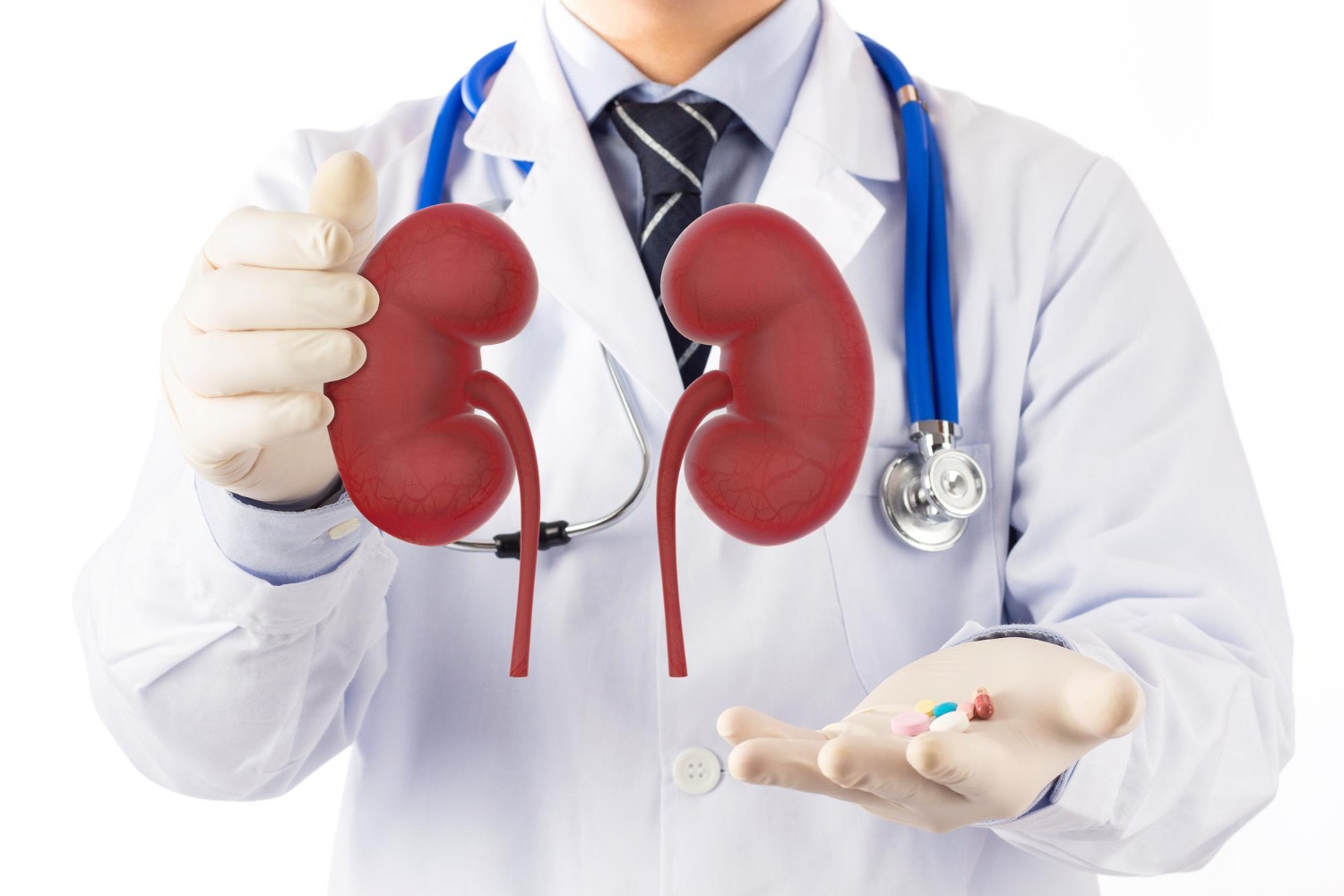
Kidneys play a vital role in maintaining overall health by filtering waste, balancing fluids, and regulating essential minerals in the body. When these functions decline, it can lead to Kidney Failure, a serious condition that may require dialysis or a transplant. The good news is that early care from a nephrologist can significantly reduce your risk and help you maintain healthy kidney function.
Who is a Nephrologist?
A nephrologist is a medical specialist who focuses on diagnosing and treating kidney-related conditions. They are trained to manage diseases like chronic kidney disease (CKD), kidney infections, high blood pressure, and electrolyte imbalances. Their expertise allows them to identify early warning signs and take preventive measures before the condition worsens.
Early Detection and Diagnosis
One of the most important ways a nephrologist helps prevent kidney failure is through early detection. Kidney diseases often develop silently, with no obvious symptoms in the early stages. A nephrologist uses blood tests, urine tests, and imaging studies to assess kidney function.
If you have risk factors such as diabetes, high blood pressure, obesity, or a family history of kidney disease, regular check-ups with a nephrologist can help detect problems at an early stage. Early diagnosis allows for timely treatment, which can slow or even stop disease progression.
Managing Underlying Health Conditions
Many kidney problems are linked to other chronic conditions, especially diabetes and hypertension. A nephrologist works closely with you to manage these conditions effectively. By controlling blood sugar levels and maintaining optimal blood pressure, the strain on your kidneys is significantly reduced.
They may prescribe medications, recommend dietary changes, and monitor your condition regularly. This comprehensive approach ensures that your kidneys are protected from long-term damage.
Personalized Diet and Lifestyle Guidance
Diet plays a crucial role in kidney health. A nephrologist often provides personalized dietary plans to help reduce the burden on your kidneys. This may include limiting salt intake, controlling protein consumption, and managing fluid intake.
Lifestyle changes such as regular exercise, maintaining a healthy weight, quitting smoking, and reducing alcohol consumption are also essential. A nephrologist guides you through these changes, making it easier to adopt healthy habits that protect your kidneys.
Medication Management
Improper use of certain medications can harm your kidneys. Painkillers, antibiotics, and some over-the-counter drugs can be harmful if taken without proper guidance. A nephrologist reviews your medications and ensures they are safe for your kidney health.
They may adjust dosages or recommend alternatives that are less harmful. This careful management helps prevent further kidney damage and supports long-term health.
Monitoring Kidney Function Over Time
Kidney health is not something that can be assessed once and forgotten. A nephrologist provides continuous monitoring to track your kidney function over time. Regular follow-ups help detect any changes early and allow for immediate intervention.
This ongoing care is especially important for patients with chronic kidney disease. By closely monitoring your condition, a nephrologist can slow disease progression and delay or prevent kidney failure.
Preventing Complications
Kidney disease can lead to several complications, including anemia, bone disorders, and cardiovascular problems. A nephrologist takes a proactive approach to prevent these issues by managing your overall health.
They may recommend supplements, medications, or therapies to address these complications before they become severe. This holistic care approach ensures better quality of life and reduces the risk of serious health issues.
Patient Education and Awareness
Education is a powerful tool in preventing kidney failure. A nephrologist helps you understand your condition, risk factors, and the steps you need to take to stay healthy. They empower you to make informed decisions about your lifestyle, diet, and treatment.
When patients are well-informed, they are more likely to follow medical advice and take proactive steps to protect their kidneys.
When Should You See a Nephrologist?
You should consider visiting a nephrologist if you experience symptoms like swelling in the legs or face, frequent urination, blood in urine, or persistent fatigue. Additionally, individuals with diabetes, high blood pressure, or a family history of kidney disease should have regular consultations.
Preventing kidney failure is possible with the right care and timely intervention. A nephrologist plays a crucial role in early detection, managing risk factors, and providing personalized care. By working closely with a specialist and adopting a healthy lifestyle, you can protect your kidneys and maintain overall well-being.
Taking proactive steps today can save you from serious complications tomorrow. Regular check-ups and expert guidance are key to ensuring long-term kidney health.