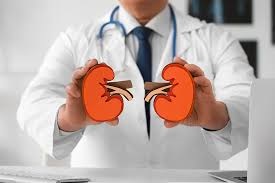
Kidneys play a crucial role in maintaining overall health by filtering waste, balancing fluids, and regulating blood pressure. However, kidney problems often develop silently, showing only mild symptoms in the early stages. Ignoring these warning signs can lead to serious complications, including chronic kidney disease or even kidney failure.
Understanding the early signs of kidney problems can help you seek timely medical attention and prevent long-term damage.
1. Changes in Urination
One of the earliest and most noticeable signs of kidney issues is a change in urination patterns. You may experience:
- Increased frequency, especially at night
- Reduced urine output
- Foamy or bubbly urine
- Blood in urine (pink or dark-colored)
Healthy kidneys filter waste efficiently, but when they are not functioning properly, these changes become evident.
2. Persistent Fatigue and Weakness
Kidneys produce a hormone called erythropoietin, which helps in the production of red blood cells. When kidney function declines, this process slows down, leading to anemia. As a result, you may feel:
- Constant tiredness
- Lack of energy
- Difficulty concentrating
If you feel exhausted even after proper rest, it could be an early indicator of kidney dysfunction.
3. Swelling in Feet, Ankles, or Face
When kidneys fail to remove excess fluid and sodium from the body, it leads to fluid retention. This causes swelling, also known as edema, in areas such as:
- Feet and ankles
- Hands
- Face, especially around the eyes
This symptom should never be ignored, especially if it persists for several days.
4. Puffiness Around the Eyes
Protein leakage in urine is another early sign of kidney problems. When kidneys are damaged, they allow protein to escape into the urine, resulting in puffiness around the eyes. This symptom is often more noticeable in the morning.
5. Dry and Itchy Skin
Healthy kidneys help maintain the right balance of minerals and nutrients in the blood. When kidney function declines, toxins build up in the body, leading to:
- Dry skin
- Persistent itching
- Skin irritation
These symptoms are often mistaken for dermatological issues, but they can be linked to kidney health.
6. Loss of Appetite and Nausea
As toxins accumulate in the bloodstream due to poor kidney function, it can affect your digestive system. Common symptoms include:
- Reduced appetite
- Nausea and vomiting
- Metallic taste in the mouth
These signs are often subtle but can worsen over time if left untreated.
7. Muscle Cramps
Electrolyte imbalance caused by kidney dysfunction can lead to muscle cramps, especially in the legs. Low calcium or high phosphorus levels are usually responsible for this discomfort.
8. High Blood Pressure
Kidneys play a vital role in regulating blood pressure. When they are not functioning properly, blood pressure may rise. Similarly, uncontrolled high blood pressure can also damage the kidneys, creating a dangerous cycle.
Regular monitoring of blood pressure is essential for early detection of kidney-related issues.
9. Difficulty Sleeping
People with kidney problems often experience sleep disturbances. This can be due to toxin buildup in the blood or conditions like sleep apnea, which are more common in individuals with kidney disease.
10. Shortness of Breath
Fluid buildup in the lungs or anemia caused by kidney dysfunction can lead to shortness of breath. If you find it difficult to breathe even without exertion, it may be a serious warning sign.
When to See a Doctor
If you notice one or more of these symptoms, it is important to consult a healthcare professional immediately. Early diagnosis through blood tests, urine tests, and imaging can help prevent further damage.
Tips to Keep Your Kidneys Healthy
- Drink adequate water daily
- Maintain a balanced diet low in salt and processed foods
- Exercise regularly
- Avoid excessive use of painkillers
- Monitor blood sugar and blood pressure levels
Kidney problems often go unnoticed until they reach an advanced stage. Paying attention to early warning signs like changes in urination, swelling, fatigue, and skin issues can make a significant difference. Early detection not only improves treatment outcomes but also helps maintain a better quality of life.
Taking proactive steps today can protect your kidneys for years to come. If you experience any unusual symptoms, do not delay seeking medical advice—your health depends on it.