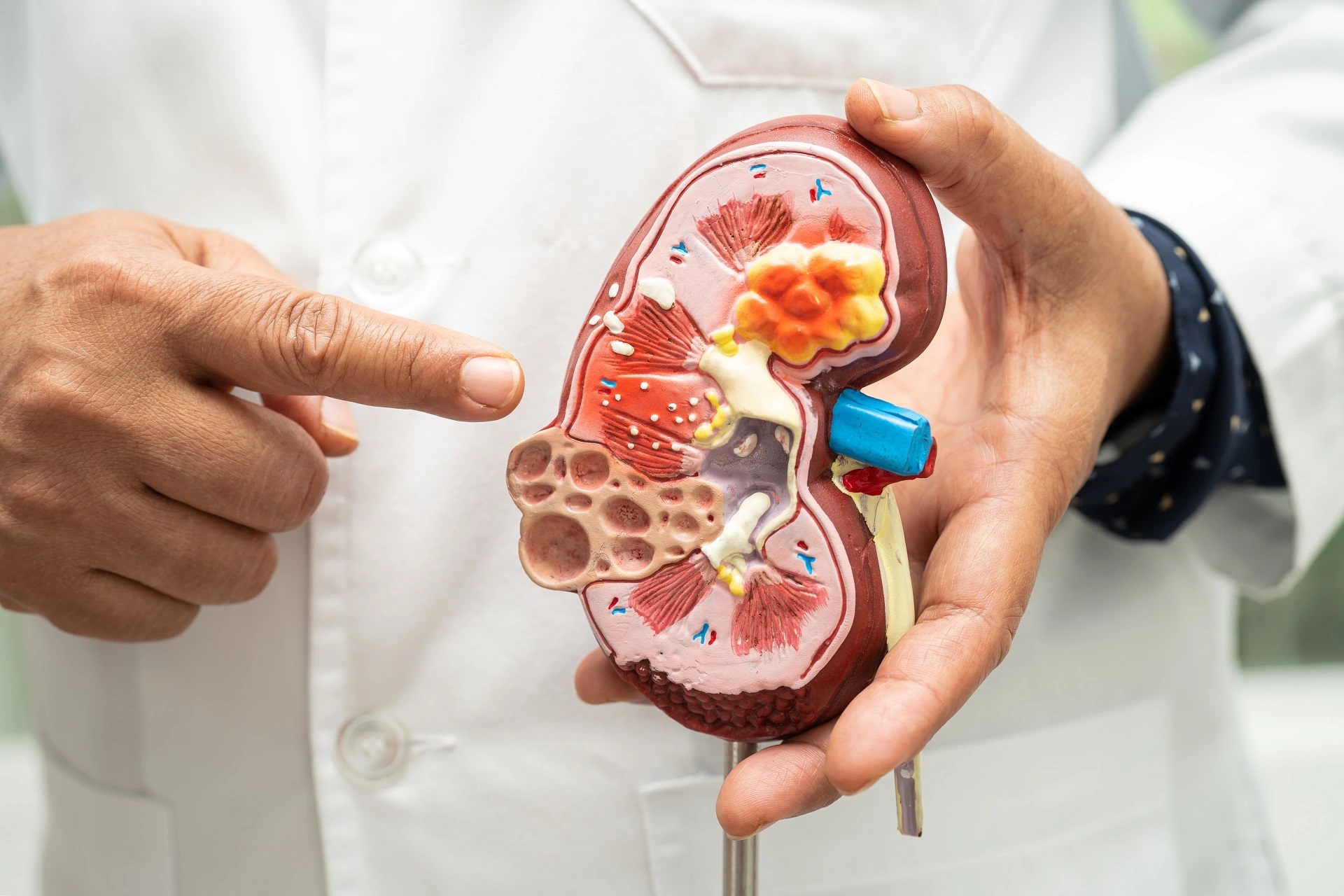
Kidney health plays a vital role in maintaining overall well-being. When kidneys fail to function properly, waste products and excess fluids start building up in the body, leading to serious health complications. In such cases, dialysis and proper kidney treatment become essential. Understanding these treatments and following expert advice from nephrologists can help patients manage their condition effectively and improve their quality of life.
What is Kidney Disease?
Kidney disease occurs when the kidneys lose their ability to filter blood efficiently. It can be acute (sudden) or chronic (long-term). Chronic Kidney Disease (CKD) is more common and develops gradually due to conditions like diabetes, high blood pressure, or infections.
Common symptoms include:
- Swelling in legs and feet
- Fatigue and weakness
- Nausea or vomiting
- Changes in urine output
- High blood pressure
Early diagnosis and timely treatment can slow down the progression of kidney disease.
What is Dialysis?
Dialysis is a medical procedure that performs the function of the kidneys when they are no longer able to do so naturally. It helps remove waste, toxins, and excess fluid from the blood.
There are two main types of dialysis:
1. Hemodialysis
In this process, blood is filtered through a machine outside the body. It is usually done in a clinic or hospital, typically 2–3 times a week.
2. Peritoneal Dialysis
This method uses the lining of the abdomen (peritoneum) to filter blood inside the body. It can often be done at home, offering more flexibility.
Both methods are effective, and the choice depends on the patient’s condition, lifestyle, and doctor’s recommendation.
When is Dialysis Needed?
Dialysis is usually recommended when kidney function drops below 10–15%. This stage is known as End-Stage Renal Disease (ESRD). At this point, medications and lifestyle changes alone are not enough to maintain proper kidney function.
Expert Advice from Nephrologists
Nephrologists (kidney specialists) emphasize a combination of medical treatment and lifestyle changes for better management of kidney disease.
1. Follow a Kidney-Friendly Diet
Diet plays a crucial role in managing kidney health. Experts recommend:
- Reducing salt intake
- Limiting potassium-rich foods (like bananas and potatoes)
- Controlling protein consumption
- Avoiding processed and junk food
A personalized diet plan from a doctor or dietitian is highly recommended.
2. Stay Hydrated (But Carefully)
Water intake should be balanced. While hydration is important, excess fluid intake can be harmful for dialysis patients. Always follow your doctor’s guidance on fluid consumption.
3. Manage Underlying Conditions
Diseases like diabetes and hypertension are leading causes of kidney failure. Keeping blood sugar and blood pressure under control can prevent further damage.
4. Regular Monitoring and Tests
Routine check-ups, blood tests, and urine tests help track kidney function and detect any complications early. Consistency in monitoring is key to effective treatment.
5. Medication Adherence
Patients should take prescribed medications regularly without skipping doses. These medications help control symptoms, manage complications, and slow disease progression.
6. Maintain a Healthy Lifestyle
Simple lifestyle changes can make a big difference:
- Avoid smoking and alcohol
- Exercise regularly (as advised)
- Maintain a healthy weight
- Get enough rest
Kidney Transplant: An Alternative Option
For some patients, a kidney transplant may be a long-term solution. It involves replacing a damaged kidney with a healthy one from a donor. While it offers better quality of life compared to dialysis, it requires proper evaluation and lifelong medication.
Importance of Early Detection
Early detection of kidney disease can prevent the need for dialysis. Regular health check-ups, especially for people with diabetes or high blood pressure, can help identify issues before they become severe.
Dialysis and kidney treatment are life-saving options for patients with severe kidney disease. With proper guidance from expert nephrologists, patients can lead a healthy and active life. Following a balanced diet, maintaining a healthy lifestyle, and staying consistent with treatment are essential steps toward better kidney health.
If you or your loved ones are experiencing symptoms of kidney problems, do not delay seeking medical advice. Early intervention can make a significant difference in treatment outcomes and overall quality of life.